How Gold Is Mined in Pakistan

پاکستان میں سونا کیسے نکالا جاتا ہے

A complete technical guide to gold mining methods, extraction processes, and refining technologies used across Pakistan's diverse mining operations.

Pakistan's Mining Industry

Gold mining in Pakistan encompasses a wide spectrum of operations — from traditional artisanal methods practiced by local communities in KPK and Gilgit-Baltistan, to sophisticated industrial-scale operations in Balochistan involving cutting-edge extraction and processing technology.

The mining sector is regulated by the Pakistan Mineral Development Corporation (PMDC) and provincial mineral departments. Pakistan's geological diversity — ranging from alluvial river deposits to deep porphyry systems — requires varied technical approaches to gold extraction.

Mining activity contributes significantly to the local economies of Balochistan, KPK and Gilgit-Baltistan, providing employment, infrastructure development and revenue generation in remote regions.

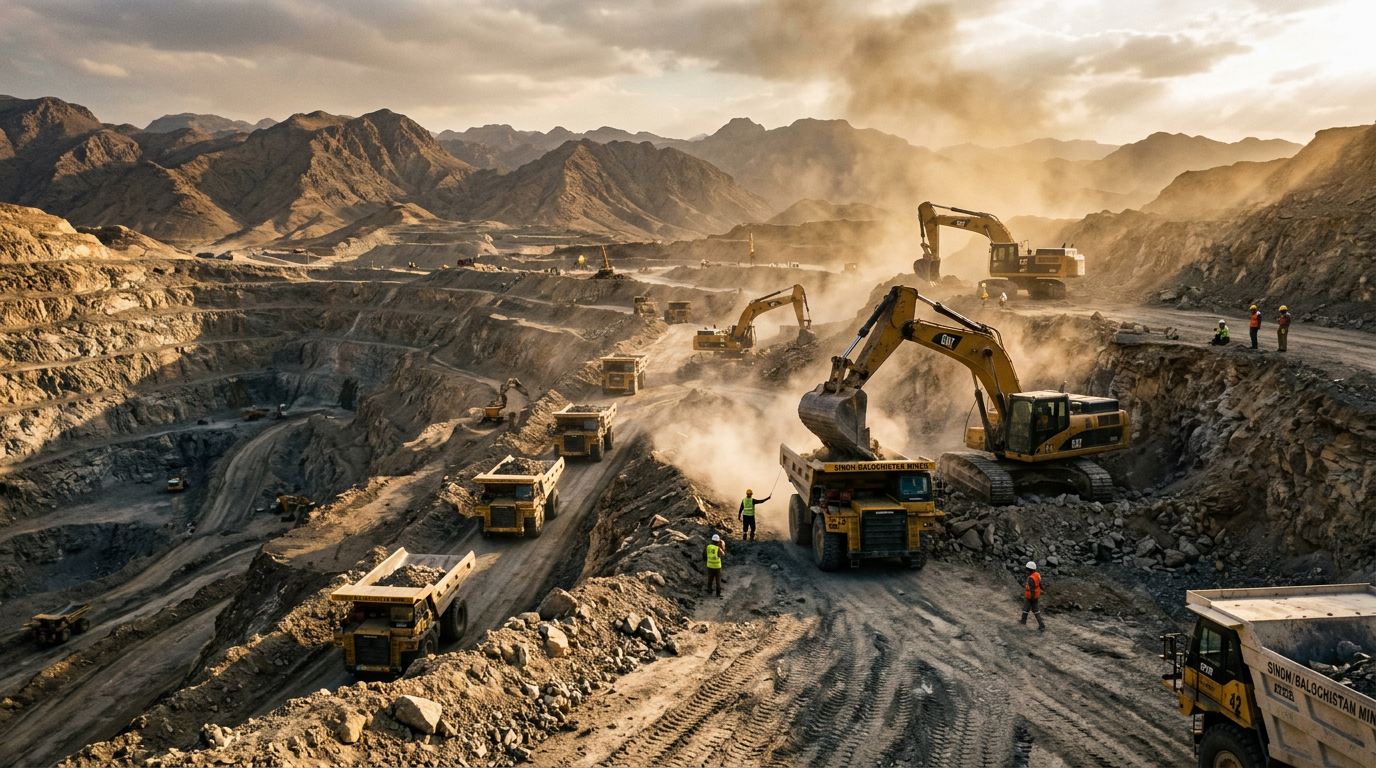
Heavy excavation machinery operating at open-pit gold mine Pakistan

Gold Mining Techniques

🏔️

Open-Pit Mining

The primary method used at large deposits like Saindak and planned for Reko Diq. Massive excavators and blasting operations remove overburden to access ore bodies. Terraced pit walls are carefully engineered for stability. This method is most economical when ore bodies are near the surface and of large volume.

  • Suitable for large, shallow deposits
  • Uses fleet of heavy dump trucks
  • Requires environmental management plans
⛏️

Underground Mining

Used for deeper gold vein systems in Gilgit-Baltistan and some KPK operations. Horizontal tunnels (adits) and vertical shafts are driven into mountain faces to access gold-bearing quartz veins. Both traditional hand-drilling and modern mechanised drilling are employed depending on operation scale.

  • Accesses deeper ore bodies
  • Room and pillar or cut-and-fill methods
  • Intensive ventilation and safety systems
🌊

Alluvial / Placer Mining

The oldest and most widespread method in Pakistan, practiced in river valleys of KPK and Gilgit-Baltistan. Gold-bearing gravels are processed using pans, sluice boxes, and small hydraulic equipment. Communities along the Swat, Dir, and Indus rivers have practiced placer gold collection for centuries.

  • Traditional gold panning technique
  • Sluice boxes for higher volume
  • Environmentally low-impact method

The Complete Mining Process

01

Geological Exploration

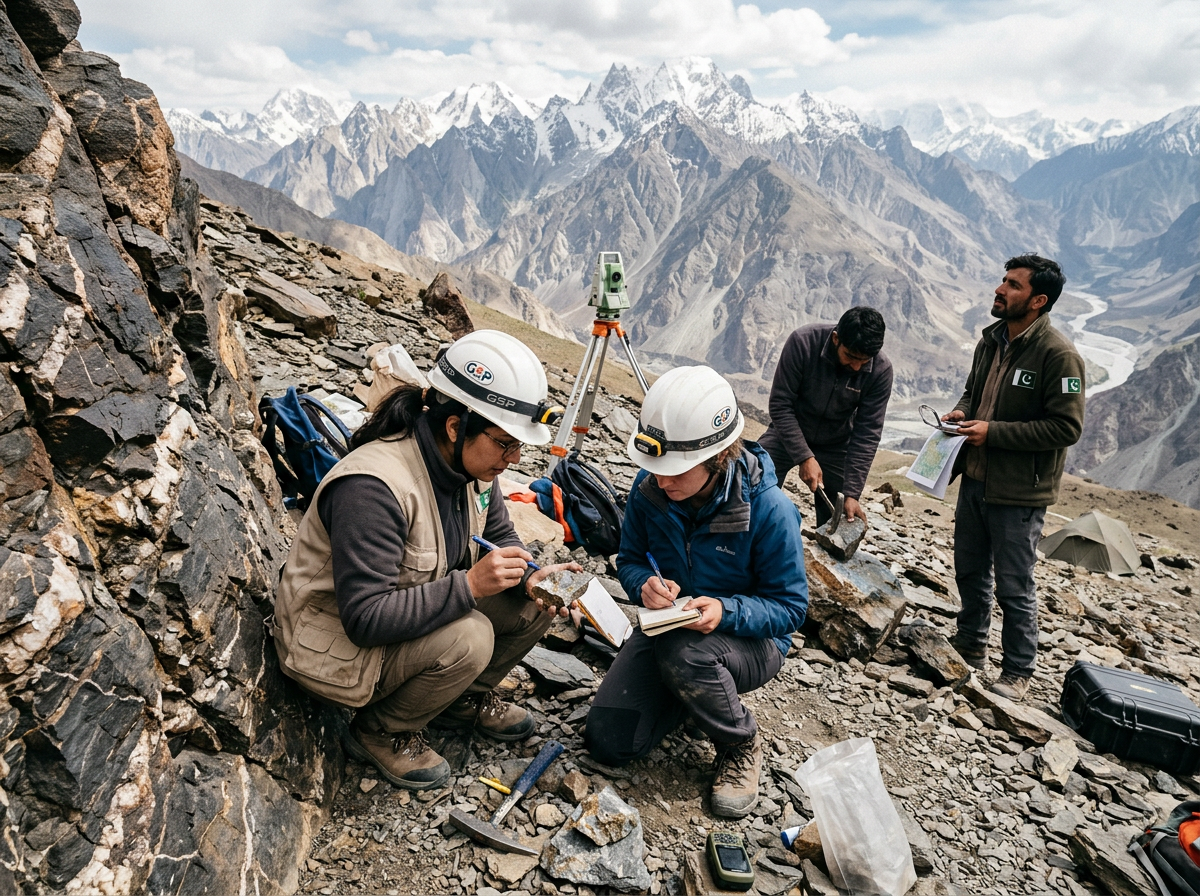
Everything begins with finding gold. Pakistan's Geological Survey conducts satellite imaging, ground magnetometer surveys and geochemical soil sampling across prospective areas. Core drilling extracts cylindrical rock samples from depths of hundreds of metres for laboratory analysis.

Modern AI-assisted data interpretation helps geologists model ore body shapes and estimate gold grades before any mining begins. An exploration phase at a major deposit can take 5–10 years and cost tens of millions of dollars.

Geological survey team examining rock samples in Pakistan mountains
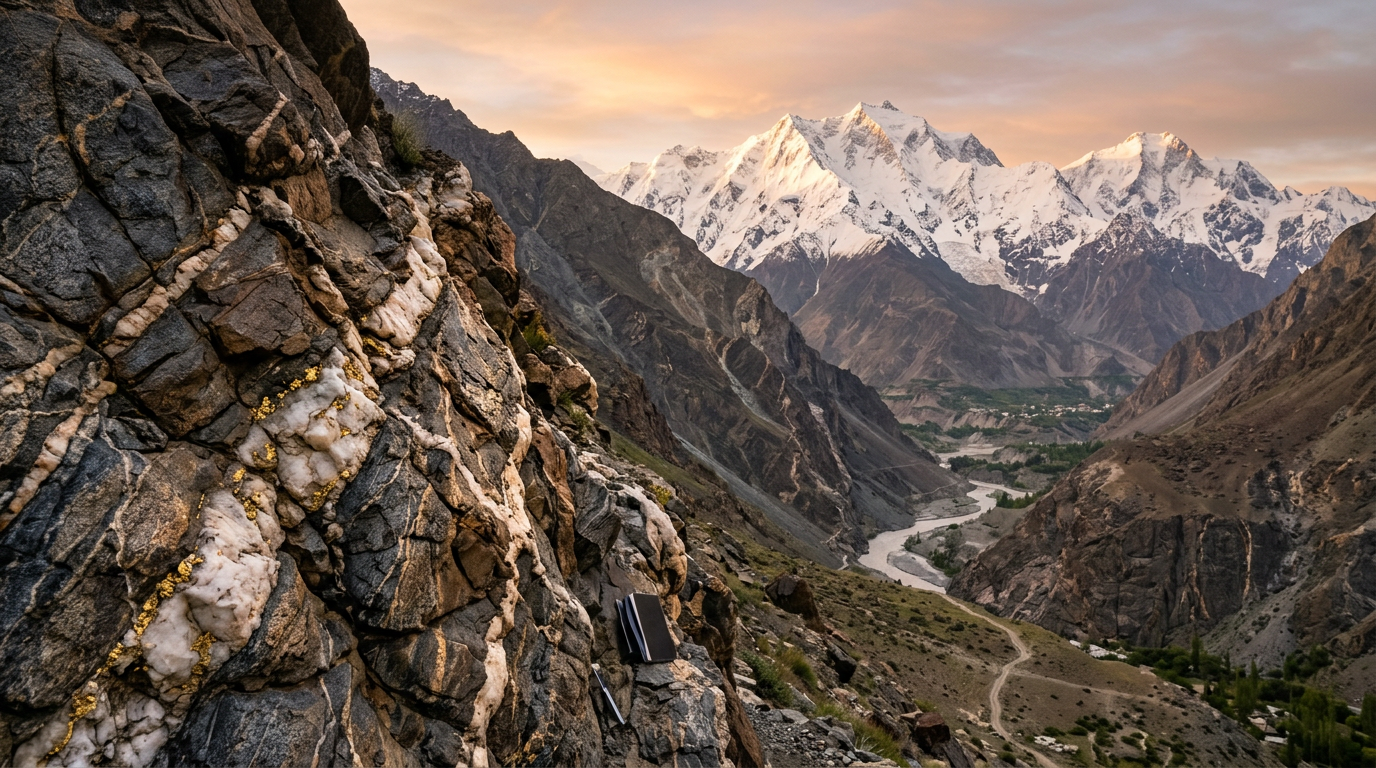
Gold bearing rock veins exposed in Pakistani mountain formation
02

Site Preparation & Development

Once viable deposits are confirmed, mine development begins. For open-pit mines this involves clearing vegetation, constructing access roads and haul routes, and establishing camp infrastructure. Environmental impact assessments are mandatory before construction begins.

For underground mines, shaft sinking and tunnel development can take 2–4 years. Explosives are carefully drilled and detonated to create access routes while maintaining rock mass stability through engineered support systems.

03

Ore Extraction

The extraction phase involves drilling, blasting and hauling gold-bearing ore from the pit or underground workings. Large mining trucks with 100+ tonne capacity transport ore to primary crushers. Blast patterns are precisely designed to fragment ore efficiently while controlling dilution with waste rock.

Grade control geologists constantly sample blasted ore to direct high-grade material to processing facilities while diverting sub-economic material to waste dumps.

Large excavators and dump trucks extracting ore at Pakistan gold mine
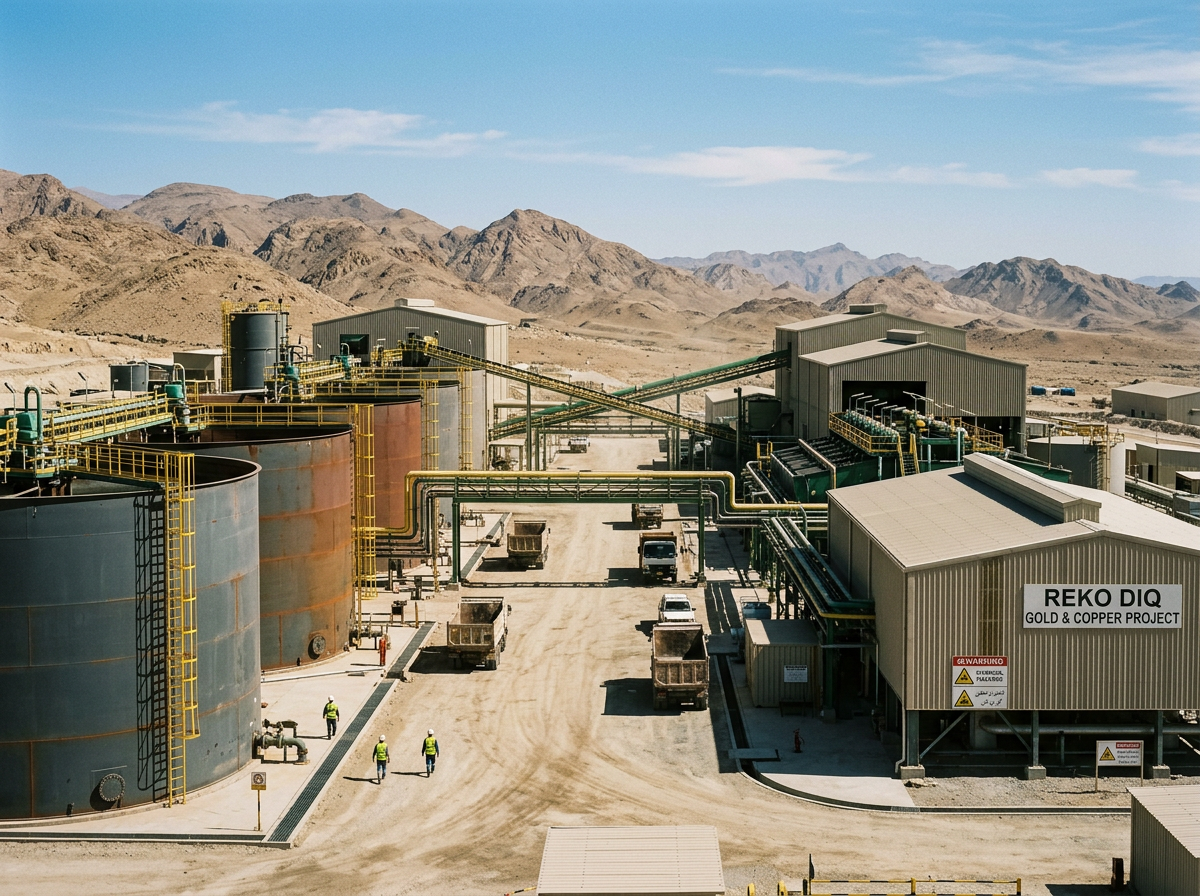
Gold processing plant with leaching tanks and equipment
04

Crushing & Processing

Raw ore is first crushed in jaw and cone crushers from boulders to golf-ball size pieces, then ground in SAG and ball mills to fine powder. The fine ore slurry proceeds to the metallurgical processing circuit.

Cyanide heap leaching is used for oxidised lower-grade ore, while carbon-in-pulp (CIP) and carbon-in-leach (CIL) circuits recover gold from higher-grade material. Gold-loaded activated carbon is stripped and the resulting gold-rich solution is electrodeposited.

05

Smelting & Refining

Gold-bearing doré bars (alloy of gold and silver) produced at mine sites are transported to refineries for final processing. At the refinery, doré is melted in induction furnaces and chlorine gas is bubbled through to remove silver and base metal impurities — this is the Miller process.

For 99.99% purity (four nines), electrolytic refining (Wohlwill process) is employed. The finished gold is cast into bars or delivered to mints and jewelry manufacturers in standardised 1kg or 400 troy oz bars.

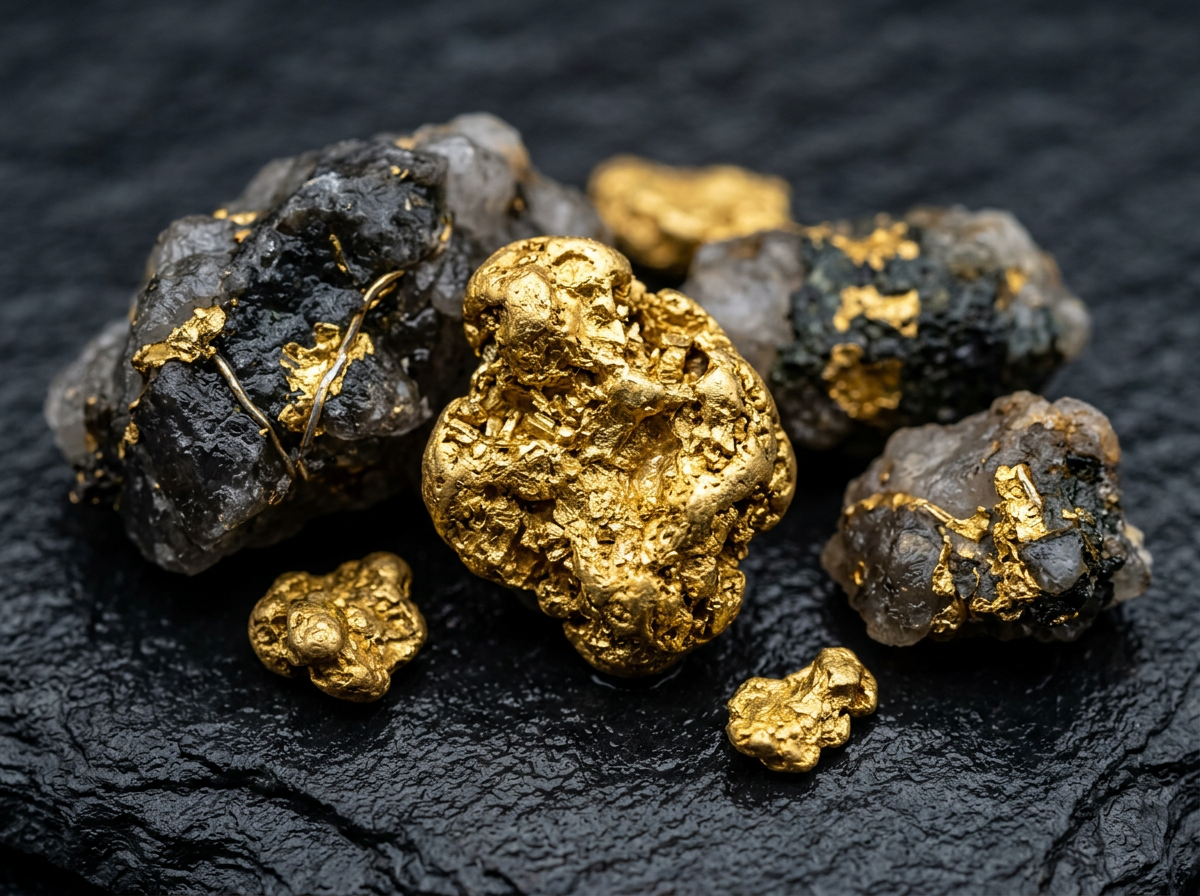
Raw gold ore and refined gold nuggets from Pakistani mine

Artisanal Gold Panning

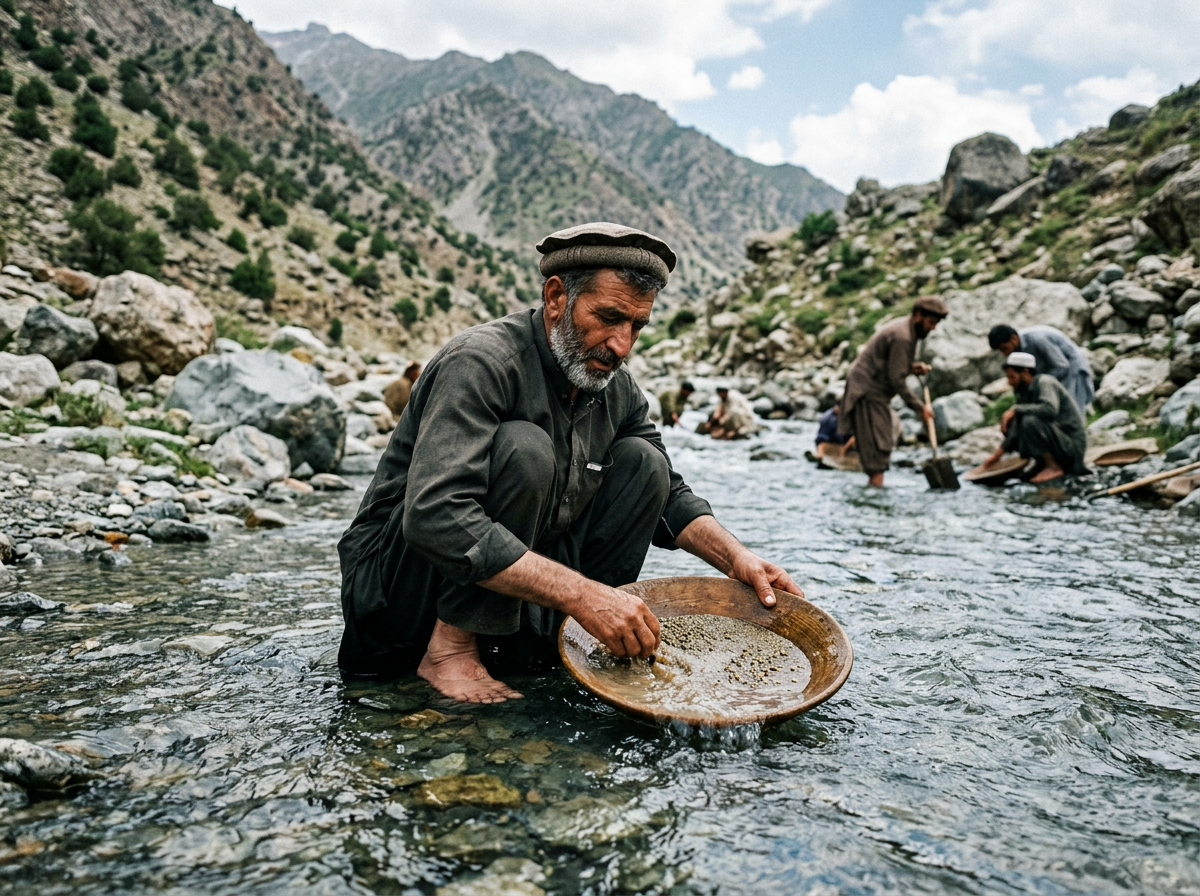
For centuries, communities along Pakistan's mountain rivers have practiced the art of gold panning. Using simple iron or wooden pans, miners scoop river gravels and use water agitation to separate dense gold particles from lighter sand and rock.

Modern artisanal miners often use sluice boxes — inclined channels with riffles (cross-bars) that trap gold while lighter material washes away. Weekly yields from a skilled panner on the Swat River might range from 1 to 5 grams of alluvial gold.

This form of mining supports thousands of families in KPK and Gilgit-Baltistan, contributing to local economies and preserving a cultural connection to Pakistan's mineral heritage.

Traditional artisanal gold panning in Pakistan mountain river

Mining Equipment Overview

Equipment Operation Type Primary Function Typical Capacity
Hydraulic Excavator Open-Pit Ore and waste rock loading 5–15 m³ bucket
Haul Truck Open-Pit Ore transport to crusher 90–180 tonnes
Jaw Crusher Processing Plant Primary ore crushing 200–500 t/hr
Ball Mill Processing Plant Fine grinding of ore 50–2000 t/day
CIL Tanks Processing Plant Cyanide leach gold recovery 250–5000 m³ each
Diamond Drill Rig Exploration Core sample extraction 500–2000m depth
Sluice Box Artisanal Alluvial gold concentration 1–5 m³/hr

Environmental & Safety Standards

🌿

Environmental Management

Pakistani mining regulations require Environmental Impact Assessments (EIA) before large-scale operations commence. Operators must implement rehabilitation plans for disturbed land and manage tailings storage facilities to prevent soil and water contamination. Acid mine drainage treatment is mandatory at sulfide ore operations.

⛑️

Worker Safety Protocols

The Mines Act and Factories Act set safety standards for Pakistani mining operations. Underground miners are required to wear PPE including hard hats, safety boots and respirators. Gas monitoring systems detect dangerous concentrations of methane and CO. Regular emergency response drills are mandatory at larger operations.

💧

Water Management

Gold mining operations require significant water for processing. Modern mines implement water recycling systems that reuse 80–90% of process water. Strict cyanide management protocols ensure that toxic processing chemicals do not contaminate local water supplies. Zero-discharge policies are enforced at major operations.

📋

Licensing & Compliance

All mining operations in Pakistan require exploration and mining licences from provincial mineral departments. Royalties are paid to the provincial government based on production volume. Regular government inspections verify compliance with safety, environmental and labour regulations throughout the mine lifecycle.

Want to Learn More About Pakistan's Gold?

Explore the complete map of Pakistan's mine locations or discover the stunning jewelry crafted from Pakistani gold.

View Mine Locations See Jewelry