Gold Mines of Pakistan

پاکستان کی سونے کی کانیں

From Balochistan's vast desert deposits to the mineral-rich Karakoram mountains — a comprehensive guide to Pakistan's major gold mine locations.

41M oz Reko Diq Reserves
27+ Known Deposits
4 Provinces

Pakistan's Gold Geology

Pakistan is endowed with remarkable mineral wealth, and gold forms a significant component of its geological inheritance. The country's gold deposits span multiple geological environments — from porphyry copper-gold systems in Balochistan to orogenic lode gold in the northern mountain belts.

The Chagai district alone hosts what experts classify as one of the world's largest undeveloped porphyry copper-gold provinces. The Tethyan Metallogenic Belt — running through Pakistan's western and northwestern regions — is home to substantial gold and base-metal mineralisation.

Small-scale and artisanal gold mining has been practiced for centuries along river gravels in Khyber Pakhtunkhwa, the FATA region and Gilgit-Baltistan, where local communities pan gold from mountain streams flowing through mineral-rich geology.

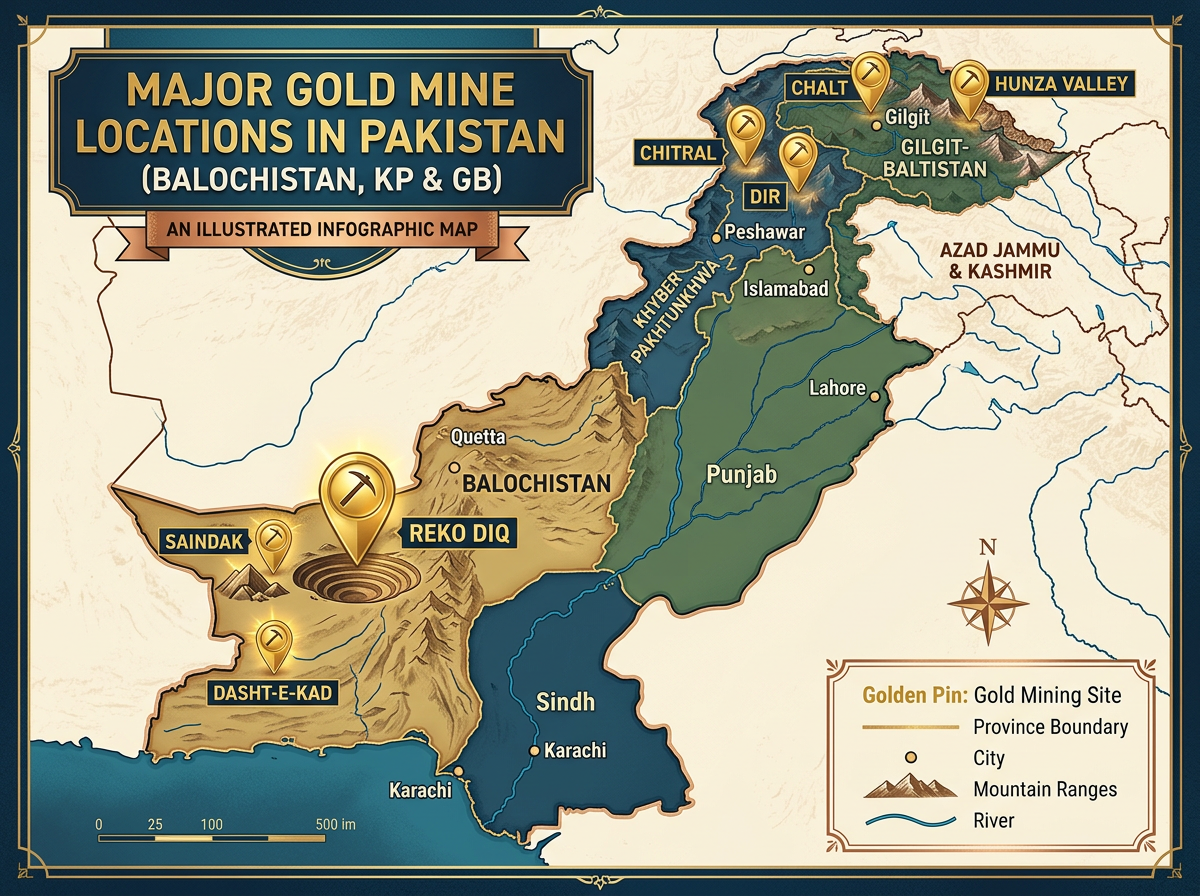
Map showing major gold mine locations across Pakistan provinces

Key Gold Mine Locations

Reko Diq gold copper mine Balochistan Pakistan Balochistan

Reko Diq Mine

ریکو ڈیق کان

Located in the Chagai district of Balochistan, Reko Diq is one of the world's largest untapped porphyry copper-gold deposits. Discovered in the 1990s, it lies in the heart of the Tethyan metallogenic belt. The deposit contains an estimated 41 million ounces of gold and 59 billion pounds of copper, making it a globally significant mineral asset.

41M Gold oz
Chagai District
Porphyry Type
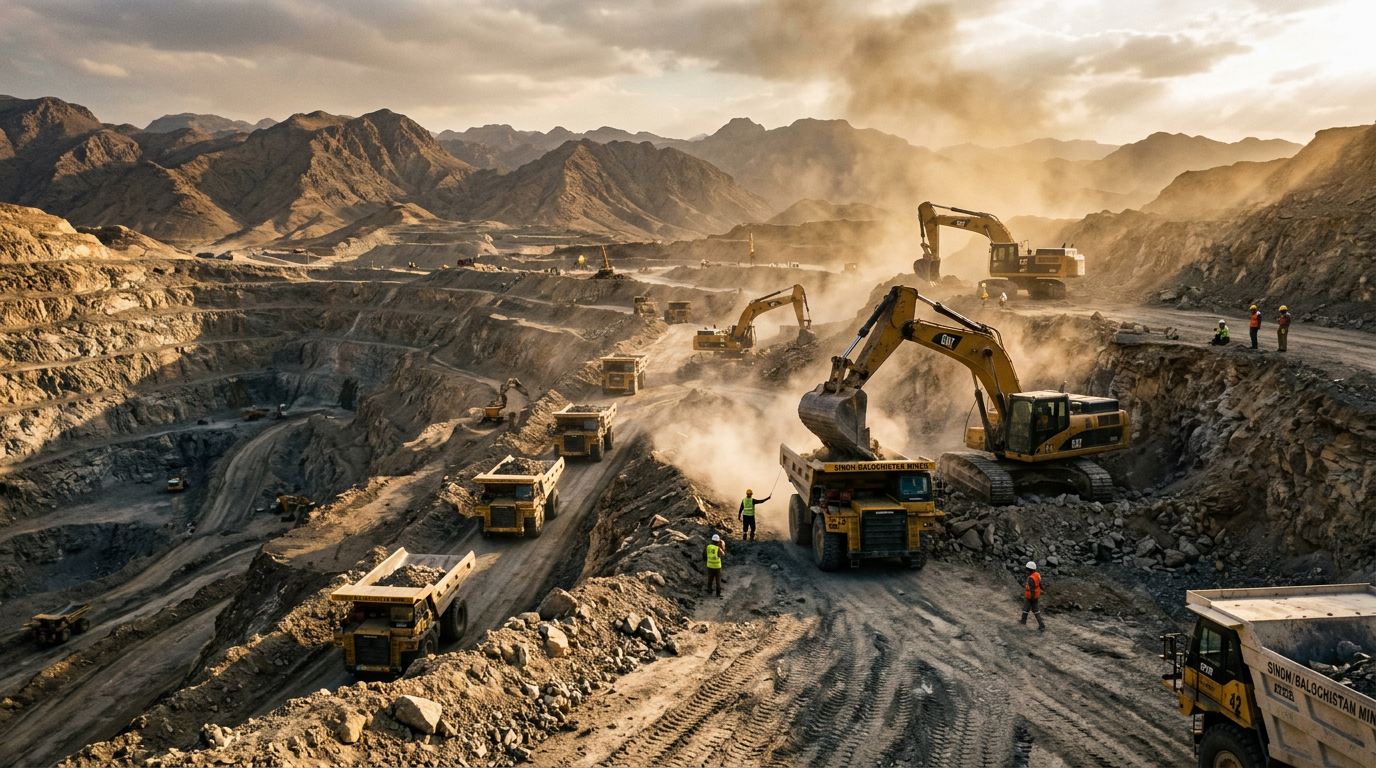
Saindak copper gold mine Balochistan operational site Balochistan

Saindak Copper-Gold Project

سیندک تانبہ و سونا منصوبہ

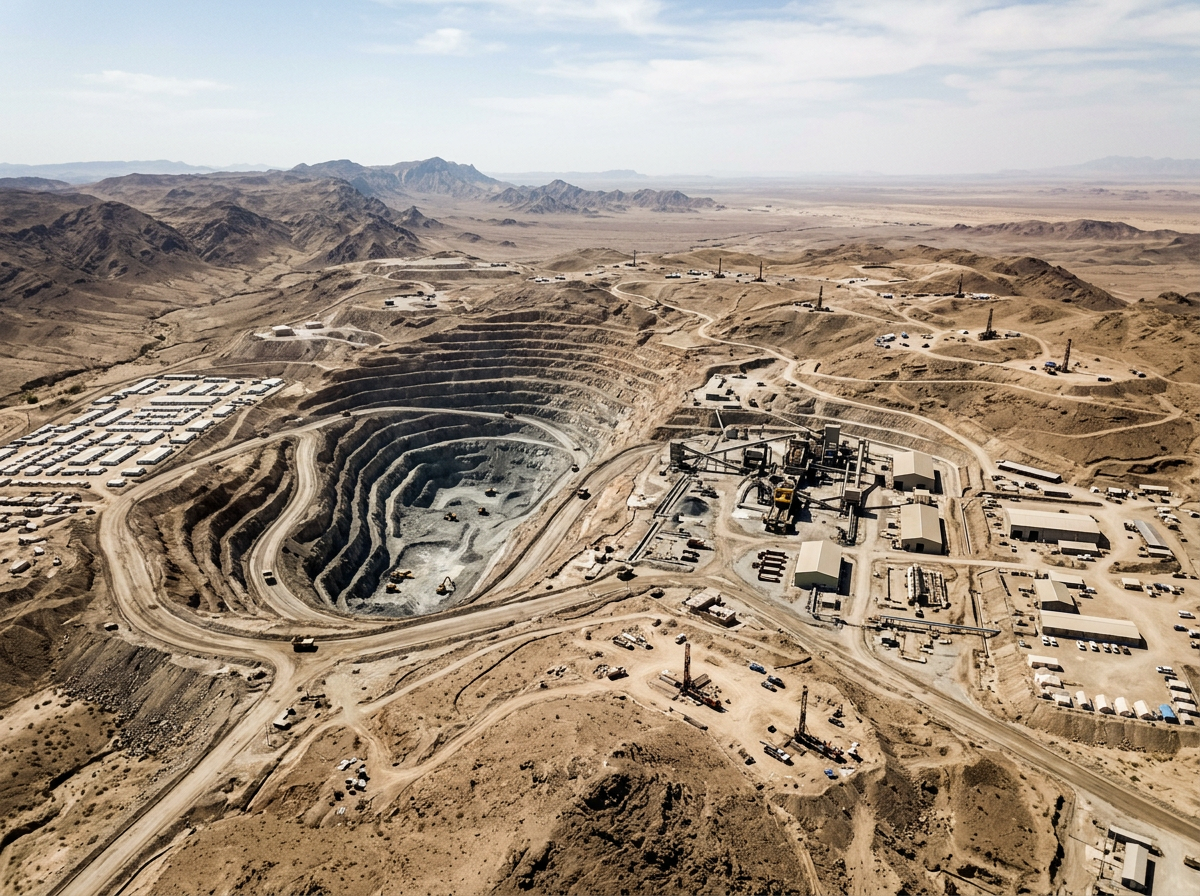
The Saindak project in Chagai district is one of Pakistan's few currently operational copper-gold mines. The complex includes open-pit mining, a concentrator plant, and a smelter producing blister copper along with gold and silver as by-products. Currently operated under a leasing arrangement, it produces approximately 15,000 tonnes of blister copper per year.

Active Status
Chagai District
Open-pit Method
Gold bearing quartz veins Karakoram mountains Gilgit-Baltistan Gilgit-Baltistan

Karakoram Gold Belt

قراقرم سونے کی پٹی

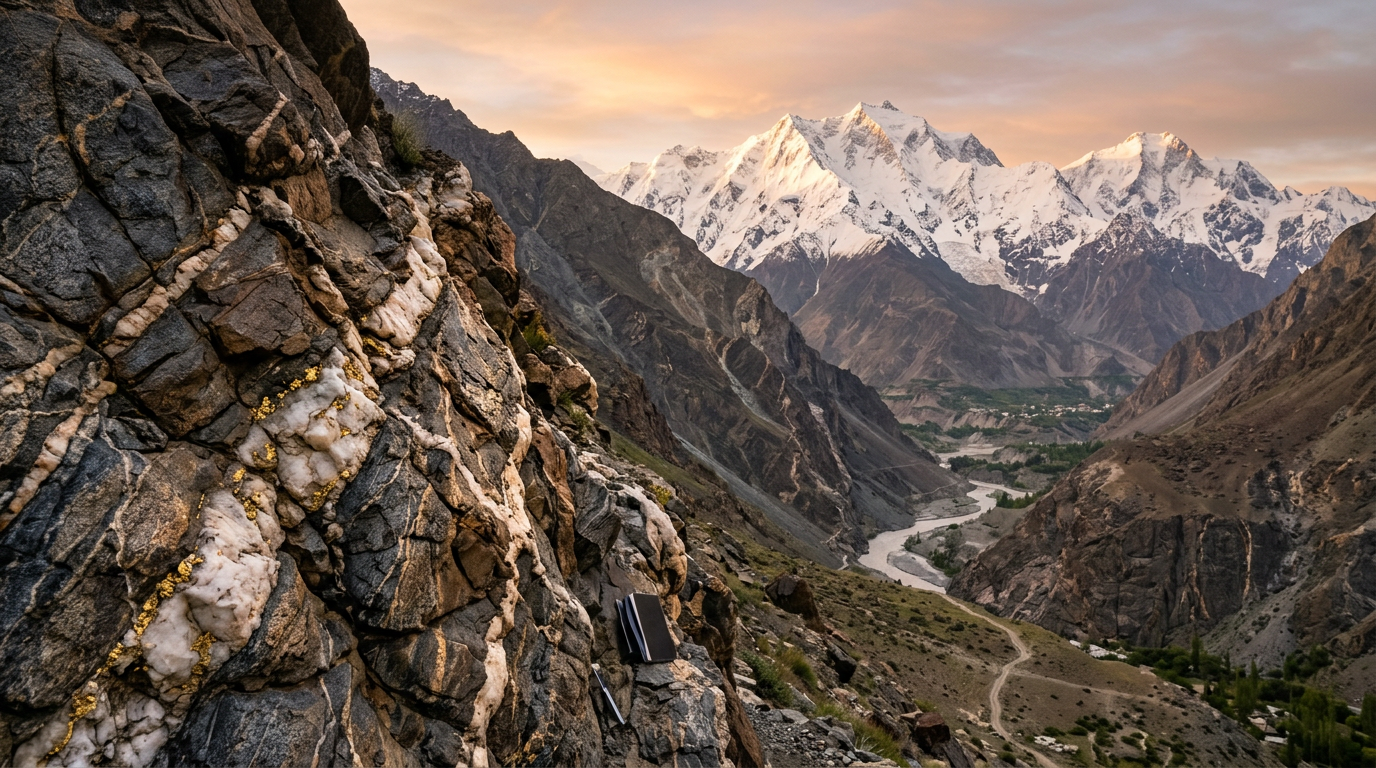
The Karakoram mountain range in Gilgit-Baltistan hosts numerous gold-bearing quartz vein systems. The Hushe Valley, Shimshal and Yasin areas have been known for artisanal gold mining for generations. Gold occurs in mesothermal lode deposits and alluvial placers along mountain rivers. Modern geological surveys confirm significant potential for commercial exploitation.

Alluvial Type
GB Province
500+yr History
Artisanal gold panning in Khyber Pakhtunkhwa Pakistan river Khyber Pakhtunkhwa

KPK River Gold Deposits

خیبر پختونخوا دریائی سونا

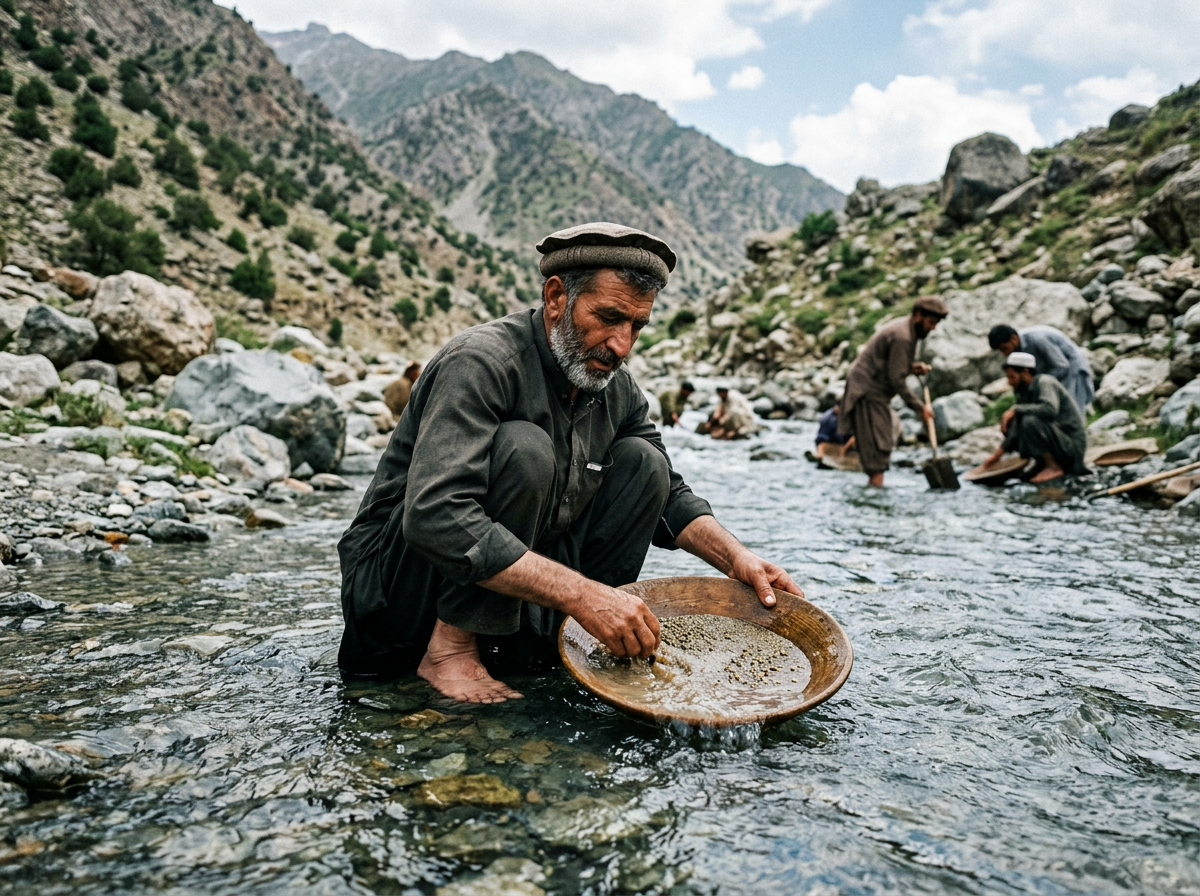
Rivers flowing through Khyber Pakhtunkhwa — particularly the Swat, Dir and Chitral rivers — carry placer gold deposits from gold-bearing geological formations in their catchment areas. Hundreds of local families practice traditional gold panning along these rivers, representing an important informal sector of Pakistan's gold economy.

Placer Type
KPK Province
Artisanal Method

Comparative Reserves Data

Mine / Deposit Province Type Gold Reserves Status (2026) Est. Area (km²)
Reko Diq Balochistan Porphyry Cu-Au 41 million oz Development Phase ~900
Saindak Balochistan Porphyry Cu-Au ~2.5 million oz Operational ~120
Karakoram Belt Gilgit-Baltistan Lode / Alluvial Undetermined Artisanal Active ~2,000+
Swat Valley Khyber Pakhtunkhwa Placer / Alluvial Minor, scattered Artisanal Active ~350
Dir District Khyber Pakhtunkhwa Quartz Vein Under survey Exploration ~80
Chitral Khyber Pakhtunkhwa Placer Minor Artisanal Active ~200

* Data compiled from Pakistan Mineral Development Corporation (PMDC) and geological survey records as of 2026. Figures are approximate estimates.

Frequently Asked Questions

Where is the largest gold mine in Pakistan?

+
The Reko Diq deposit in Balochistan's Chagai district is the largest gold deposit in Pakistan and one of the largest in the world with estimated reserves of 41 million ounces of gold alongside vast copper reserves.

Which provinces in Pakistan have gold deposits?

+
Gold deposits and occurrences are found across four main provinces: Balochistan (major industrial deposits), Khyber Pakhtunkhwa (river placer deposits), Gilgit-Baltistan (mountain lode and alluvial deposits), and smaller occurrences in Punjab.

Is gold mining legal for individuals in Pakistan?

+
Small-scale artisanal gold panning has been practiced traditionally and is generally tolerated, particularly in tribal areas. Large-scale commercial mining requires licensing from the relevant provincial mineral departments and the federal Ministry of Energy (Petroleum Division). Mining regulations are governed by the Mines Act and provincial mineral acts.

When will Reko Diq gold mine start full production?

+
As of 2026, Reko Diq is in active development following a landmark 2022 settlement and investment agreement. Construction of mine infrastructure is underway. Commercial gold production is expected to begin within the coming years, with the mine projected to operate for 40+ years.

How pure is Pakistani gold?

+
Gold refined from Pakistani ore operations typically achieves 99.9% purity (24 karats) after smelting and refining. Pakistani jewelry is traditionally crafted in 22K (91.7% gold) for durability, while investment-grade gold items are 24K. The hallmarking system ensures consumers receive accurately marked gold pieces.

Interested in Mining Research?

Our team of geologists and mining experts can provide detailed consultation on Pakistan's gold mining landscape.

Contact Our Experts